by
by The cricket rivalry between England and the West Indies offers us much more than sporting entertainment—it provides a fascinating lens through which to view changing social dynamics, political relationships, and cultural expressions over nearly a century.
This unique sporting contest has reflected broader historical narratives, from colonialism and independence to migration and identity.
When these two cricketing nations face each other, the match represents not just a battle for sporting supremacy but also carries the weight of history, the complexity of post-colonial relationships, and the evolving cultural ties between Britain and the Caribbean.
The cricket field has often served as an arena where these deeper themes play out in symbolic form.
West Indies Cricket Team Vs England Cricket Team Timeline
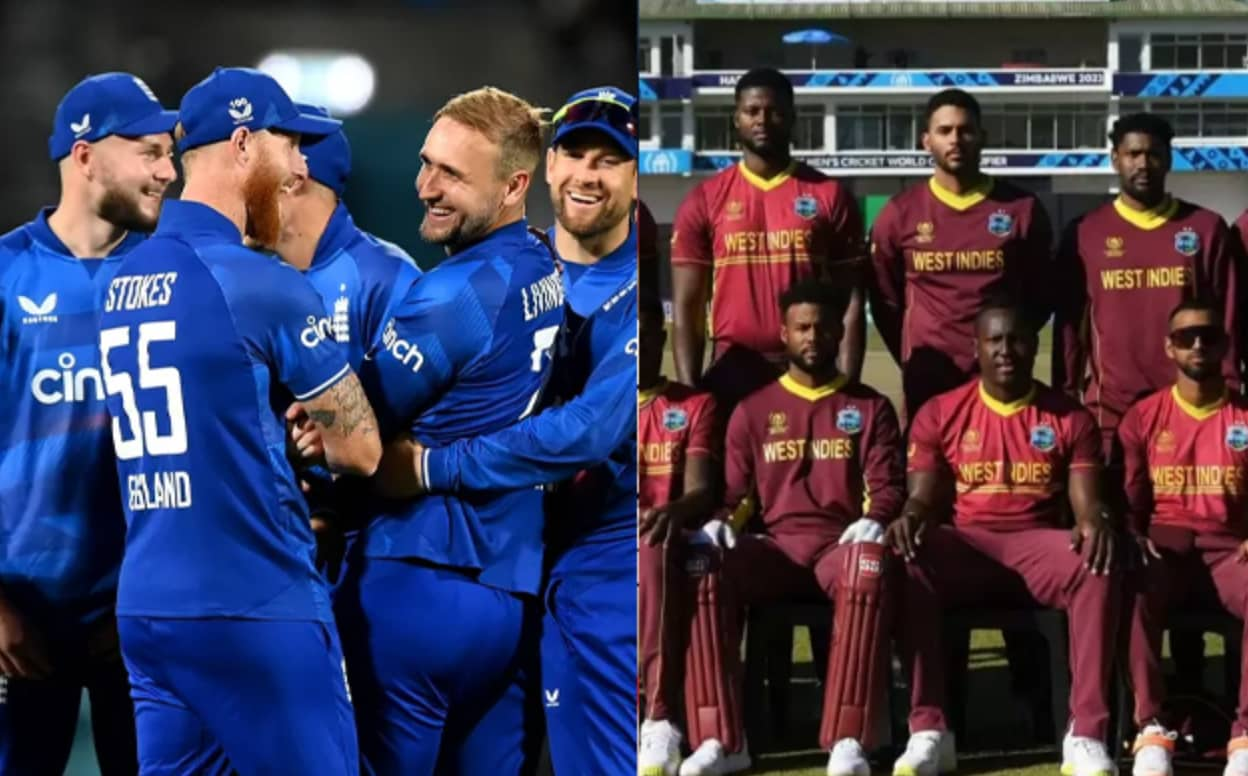
This guide explores the England-West Indies cricket rivalry through a social and cultural lens, examining how the relationship between these teams has both reflected and influenced broader societal changes.
From race relations to migration patterns, from musical expression to literary representation, the story of England vs West Indies cricket transcends the boundary rope.
A Timeline of Social Context
Colonial Beginnings (1928-1950)
The West Indies played their first Test match against England in 1928 at Lord’s, entering the international scene very much as colonial subjects. During this period:
- Cricket governance reflected colonial hierarchy: The West Indies Cricket Board of Control was largely dominated by white administrators, with team selection often influenced by racial considerations.
- Limited opportunities for black players: Despite making up the majority of the Caribbean population, black cricketers had limited opportunities. The West Indies team of 1928 was captained by a white player, Karl Nunes.
- English attitudes of superiority: The English cricket establishment viewed matches against the West Indies as developmental exercises rather than genuine contests between equals.
Post-War Awakening (1950-1960)
The landmark 1950 West Indies tour of England marked a pivotal moment in both cricket and broader colonial relationships:
- First West Indies series victory in England: The 3-1 victory, spearheaded by the “spin twins” Sonny Ramadhin and Alf Valentine, represented a seismic shift.
- Lord Kitchener’s calypso: The famous “Cricket, Lovely Cricket” celebrated this victory and became an anthem of Caribbean pride.
- Political context of decolonization: This victory occurred as Caribbean nations were beginning to seek independence, with cricket success serving as a powerful symbol of capability and readiness for self-governance.
Independence and Identity (1960-1975)
As Caribbean nations gained independence from Britain, cricket took on new significance:
- First black captain: Frank Worrell became the West Indies’ first permanent black captain in 1960, a breakthrough moment for Caribbean sports leadership.
- Caribbean federation and cricket unity: While the political federation of West Indian nations collapsed, cricket remained a unifying force across the islands.
- Caribbean diaspora in Britain: Growing migration from the Caribbean to Britain added new dimensions to the rivalry, with matches in England drawing significant support from West Indian immigrants.
Power Shift and Revolution (1976-1995)
The “grovel” series of 1976 and subsequent West Indies dominance represented both sporting excellence and deeper social statements:
- Response to racism: Tony Greig’s infamous comment that he would make the West Indies “grovel” carried unmistakable racial overtones that galvanized the West Indies team.
- Economic context: The West Indies’ cricketing success came during a period of economic challenges in the Caribbean and racial tensions in Britain, making their victories all the more significant.
- Cultural impact: The dominant West Indies teams became powerful symbols of black excellence and pride, influencing music, fashion, and broader cultural expressions.
New Century, New Dynamics (2000-Present)
The modern era has seen significant shifts in both cricket and societal relationships:
- Economic power imbalance: The massive financial disparities between the England and Wales Cricket Board (ECB) and Cricket West Indies (CWI) reflect broader economic inequalities.
- Player pathways and migration: The emergence of players like Jofra Archer (born in Barbados, and playing for England) highlights complex modern identity and opportunity pathways.
- Cultural integration: The West Indies style of play has influenced English cricket, while Caribbean culture has become increasingly integrated into British society.
Beyond the Boundary: Cultural Expressions
The England-West Indies cricket rivalry has inspired rich cultural expression across multiple art forms:
Literature and Academic Work
- CLR James’ “Beyond a Boundary” (1963): This seminal work explored cricket’s relationship to colonialism, race, and Caribbean identity, with the England-West Indies dynamic at its core. James’ famous question—”What do they know of cricket who only cricket know?”—underscored the game’s broader social significance.
- Mike Phillips and Trevor Phillips’ “Windrush” (1999): This examination of Caribbean migration to Britain includes a significant discussion of cricket’s role in both maintaining Caribbean identity and building bridges with British society.
- Joseph O’Neill’s “Netherland” (2008): While primarily set in New York, this acclaimed novel touches on West Indian cricket culture and its translation to new environments.
Music and Film
- “Cricket, Lovely Cricket” by Lord Kitchener (1950): This calypso celebrating the West Indies’ first win at Lord’s captures the joy and significance of that victory.
- “Rally Round the West Indies” by David Rudder (1987): This cricket anthem became a unifying song across the Caribbean, emphasizing cricket’s role in regional identity.
- “Fire in Babylon” (2010): This documentary film examines the dominant West Indies teams of the 1970s and 80s, placing their sporting success in the context of post-colonial pride and the struggle against racism.
Art and Photography
- The “Hit Racism for Six” campaign: This arts and sports initiative in 1990s Britain used cricket as a vehicle for anti-racism messaging, with West Indian cricketers playing prominent roles.
- Photographic exhibitions: Collections like “From Stumps to Steel” have documented the connection between Caribbean cricket and community formation in British cities like Sheffield and Birmingham.
The Migrant Experience and Cricket Identity
One of the most fascinating aspects of the England-West Indies cricket relationship is how it has been shaped by migration patterns and diaspora experiences:
The Windrush Generation and Cricket
The arrival of the Empire Windrush in 1948 marked the beginning of significant Caribbean migration to Britain. Cricket played several important roles for these communities:
- Community formation: Cricket clubs became important social spaces for Caribbean migrants, providing familiar cultural contexts in a new environment.
- Visibility and recognition: Success in local cricket leagues offered Caribbean migrants a way to gain positive recognition and challenge stereotypes.
- Negotiating identity: Supporting the West Indies in international matches while living in England represented a complex negotiation of dual identity and belonging.
Tensions and Divided Loyalties
The question of which team to support—England or the West Indies—has often reflected broader questions of identity and belonging:
- Norman Tebbit’s “cricket test”: In 1990, Conservative politician Norman Tebbit controversially suggested that immigrants’ true loyalty could be determined by which cricket team they supported, with specific reference to West Indian communities in Britain.
- Multi-generational shifts: Research has shown that while first-generation Caribbean migrants typically supported the West Indies, later generations often developed more complex sporting allegiances.
- The Oval and Edgbaston atmospheres: These grounds in particular became famous for their carnival-like atmosphere during England-West Indies matches, with large Caribbean diaspora communities creating a “home away from home” for the visiting team.
The Players as Cultural Ambassadors
Individual cricketers have often served as important cultural figures beyond their sporting achievements:
West Indian Icons in British Society
- Sir Learie Constantine: Beyond his cricket career, Constantine became a diplomat, politician, and civil rights activist in Britain, battling discrimination and helping shape race relations legislation.
- Sir Vivian Richards: Richards’ confident, unapologetic demeanor represented a new kind of black athletic identity that challenged traditional cricket’s deferential culture.
- Michael Holding: “Whispering Death” on the field has become one of cricket’s most eloquent commentators on race and social issues, bridging cultures through his thoughtful analysis.
English Players in the Caribbean Context
- Tony Greig’s redemption: After the “grovel” controversy, Greig worked hard to rebuild relationships with West Indian cricket, eventually becoming a popular commentator throughout the Caribbean.
- Andrew Flintoff: “Freddie” Flintoff’s embracing of Caribbean cricket culture and friendship with players like Chris Gayle represented a more modern, equitable relationship.
- Moeen Ali: As a British Muslim of Pakistani descent, Ali’s participation in this rivalry adds another layer to the evolving story of cricket, race, and identity in England.
Media Portrayal and Changing Narratives
How the media has covered England-West Indies cricket provides fascinating insights into evolving attitudes and perceptions:
Colonial and Post-Colonial Reporting
- 1950s British press: Coverage often contained patronizing colonial attitudes, with West Indian success described as “natural athletic ability” rather than skill, intelligence, or hard work.
- Caribbean press ownership: The development of Caribbean-owned media allowed for different perspectives on cricket contests, celebrating West Indian achievements in the context of post-colonial pride.
- John Arlott’s voice: The legendary BBC commentator was notable for his progressive attitudes toward race and his appreciation of West Indian cricket on its own terms.
Modern Media Evolution
- Commentary diversity: The inclusion of West Indian commentators like Michael Holding and Ian Bishop in English broadcasts has brought more balanced perspectives.
- Social media impact: Platforms like Twitter have allowed players and fans to communicate directly, bypassing traditional media filters and creating new forms of cricket discourse.
- Cricket writers: Journalists like Mike Atherton and Ian Smith have placed England-West Indies cricket in its proper historical and social context, moving beyond purely sporting analysis.
Economic Disparities and Their Impact
The financial aspects of this rivalry reveal much about global economic structures and their sporting consequences:
The Resource Gap
- ECB vs. CWI budgets: England’s cricket board operates with approximately ten times the annual budget of Cricket West Indies, reflecting broader economic disparities.
- Infrastructure differences: England’s comprehensive county system, academy structure, and facilities contrast sharply with the more limited resources available in the Caribbean.
- Player retention challenges: Economic realities have made it difficult for West Indies cricket to retain talented players who can earn substantially more in T20 leagues than representing their region in Test cricket.
Creative Responses
- T20 focus: The West Indies’ strategic emphasis on T20 cricket represents a pragmatic response to economic constraints, focusing resources where they can be most competitive.
- Diaspora engagement: Initiatives to engage the wealthy Caribbean diaspora in cricket development represent attempts to address funding shortfalls.
- Tourism linkages: The promotion of cricket tourism has become an important economic strategy, with England tours of the Caribbean particularly valuable.
Looking Forward: The Future Relationship
How might the England-West Indies cricket relationship evolve in the coming decades?
Positive Developments
- The Botham-Richards Trophy: The renaming of the Test series trophy after iconic players from both teams represent a more equitable framing of the rivalry.
- Coaching exchanges: Increasing movement of coaches between English and Caribbean cricket systems offers potential for mutual development.
- Joint anti-racism initiatives: Both cricket boards have emphasized anti-racism campaigns, potentially creating space for meaningful collaboration.
Ongoing Challenges
- Economic sustainability: The financial viability of West Indies cricket remains precarious, threatening the long-term competitiveness of the rivalry.
- Calendar pressures: Ensuring regular England-West Indies series across all formats in an increasingly crowded international schedule presents difficulties.
- Talent development and retention: Creating pathways for Caribbean cricket talent to flourish while still representing the West Indies internationally remains complex.
Also Check:
- Namibia National Cricket Team vs England Cricket Team Timeline
- Scotland National Cricket Team Vs England Cricket Team Timeline
- India National Cricket Team Vs Sri Lanka National Cricket Team Timeline
- India National Cricket Team Vs Afghanistan National Cricket Team Timeline
- South Africa National Cricket Team Vs West Indies Cricket Team Timeline
- India National Cricket Team Vs England Cricket Team Timeline
- New Zealand National Cricket Team Vs India National Cricket Team Timeline
Conclusion: Cricket as Social History
The England-West Indies cricket rivalry provides a vivid illustration of how sport can both reflect and influence broader social relationships.
From colonial hierarchy to post-colonial assertion, from migration experiences to cultural exchange, this sporting contest has been intertwined with important historical developments.
What makes this rivalry special is precisely this rich contextual backdrop.
When England and the West Indies take the field, they bring with them not just their sporting traditions but also the complex, evolving relationship between their societies.
The drama on the pitch is enhanced by our understanding of these deeper currents.
As both cricket and society continue to evolve, the England-West Indies rivalry will undoubtedly develop in new directions.
Yet it will always carry this historical resonance, this capacity to tell us something meaningful about ourselves beyond the boundary rope.
In the words of CLR James, cricket here is much more than a game—it is “first and foremost a dramatic spectacle” that belongs “with the theatre, ballet, opera and the dance.”
Key Figures Beyond the Boundary
Administrators and Leaders
- Sir Frank Worrell: Beyond his playing career, Worrell’s captaincy represented a breakthrough for black leadership in West Indies cricket.
- Teddy Griffith: As a West Indies cricket administrator, Griffith worked to balance commercial imperatives with cricket’s cultural importance.
- Lord Constantine: From player to politician and diplomat, Constantine’s life exemplified the social impact of cricket in both the Caribbean and Britain.
Cultural Influencers
- CLR James: The Trinidadian writer and theorist provided the intellectual framework for understanding cricket’s social significance.
- Lord Kitchener: The calypso pioneer who documented West Indies cricket success in popular music.
- Sam Collins and Jarrod Kimber: Their film “Death of a Gentleman” explored the economic pressures facing traditional cricket, with implications for the England-West Indies rivalry.
Media Voices
- John Arlott: The English commentator who spoke out against apartheid in South Africa and celebrated West Indies cricket.
- Tony Cozier: The voice of West Indies cricket whose commentary educated generations of fans about Caribbean cricket culture.
- Mike Atherton: The former England captain whose thoughtful writing has placed the rivalry in its proper historical context.
Essential Statistics: Beyond the Numbers
Test Cricket Head-to-Head
- Matches: 37
- England wins: 15
- West Indies wins: 19
- Draws: 3
- Most consecutive West Indies series wins: 11 (1976-1994)
- First West Indies win in England: 1950
- First England win in the West Indies: 1960
Limited Overs Cricket
- ODIs played: 113
- England wins: 56
- West Indies wins: 41
- No result/tie: 5
- T20Is played: 27
- England wins: 13
- West Indies wins: 8
- No result: 3
- World Cup final meetings: 1 (1979, West Indies won)
- T20 World Cup final meetings: 1 (2016, West Indies won)