by
by England fans often ask the same thing after watching another breathless Test or a white-ball thriller: how much do England cricketers actually get paid for all this?
The answer sits in two main places — a yearly central contract from the ECB and additional match fees that depend on the format.
On top of that come earnings from The Hundred, overseas leagues (when permitted), and commercial deals.
The picture is clearer now than ever, thanks to the ECB’s move to multi-year contracts.
How Much Do England Cricketers Get Paid?
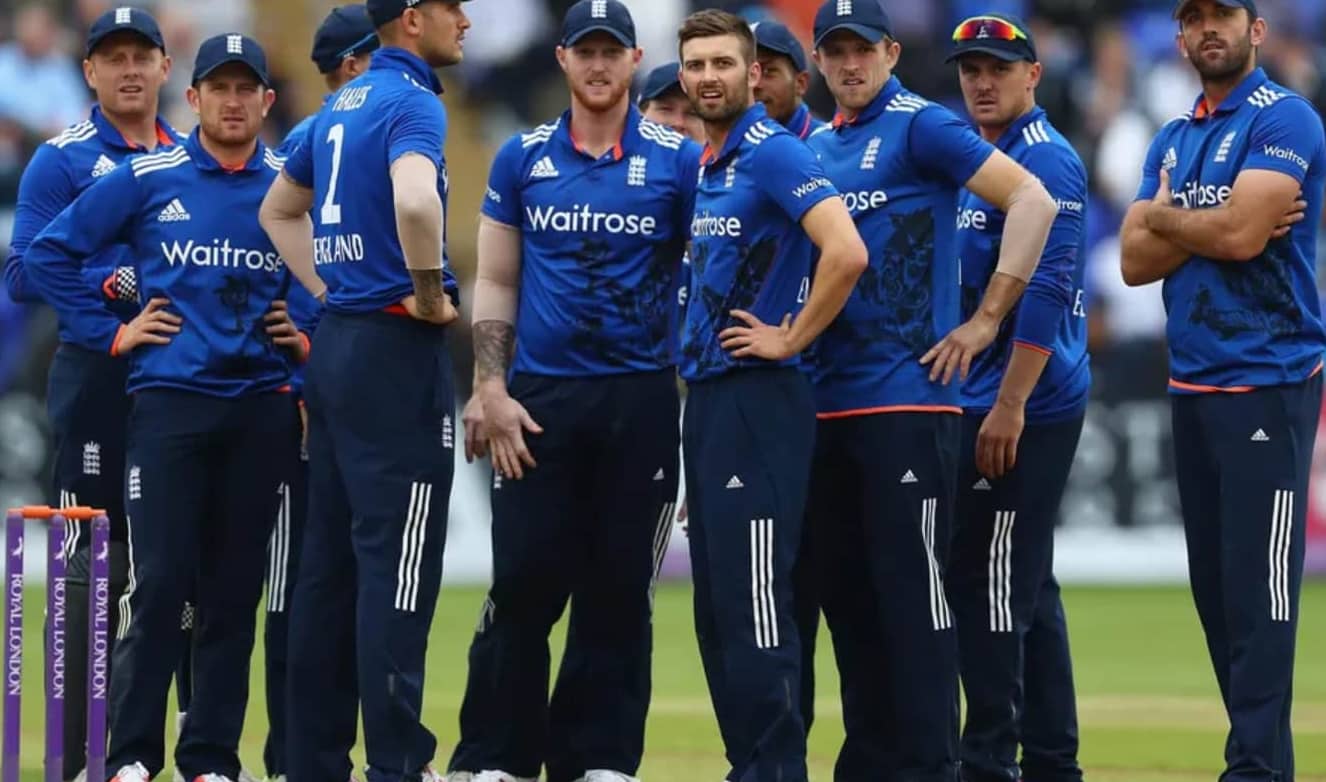
Here’s the most accurate breakdown for the 2025-26 season based on the latest ECB announcement.
The ECB Central Contract System Explained
The England and Wales Cricket Board awards central contracts to its most important players.
These contracts provide a guaranteed annual salary in return for prioritising international cricket over county and franchise commitments.
In 2023, the ECB moved away from purely one-year deals and began offering multi-year contracts for the first time.
This brings England in line with Cricket Australia and the BCCI. The current cycle runs from October 2025 to September 2026.
On 4 November 2025, the ECB named 26 centrally contracted players – 21 retained and five new additions: Sonny Baker, Liam Dawson, Saqib Mahmood, Jamie Overton and Luke Wood.
Seven players from the previous list did not have contracts renewed: Jonny Bairstow, Jack Leach, Liam Livingstone, Olly Stone, Reece Topley, John Turner, and the recently retired Chris Woakes.
Contracts are reviewed every September. Performance and, crucially, availability for England duty determine who stays, who moves up or down tiers, and who loses their deal.
Current Contract Tiers (2025-26)
The ECB now uses four categories:
- Three-Year Central Contracts
Reserved for the most important multi-format players who form the spine of the team. Confirmed recipients include Joe Root, Harry Brook, and Mark Wood.
- Two-Year Central Contracts
Jofra Archer, Gus Atkinson, Jacob Bethell, Jos Buttler, Brydon Carse, Sam Curran, Ben Duckett, Will Jacks, Adil Rashid, Jamie Smith, Ben Stokes, Josh Tongue, and several others.
- One-Year Central Contracts
Rehan Ahmed, Sonny Baker, Shoaib Bashir, Zak Crawley, Liam Dawson, Saqib Mahmood, Jamie Overton, Ollie Pope, Matthew Potts, Phil Salt, Mark Wood (additional notes in some cases), and Luke Wood.
- Development Contracts
Younger or emerging players on lower money but with clear pathways: Josh Hull, Eddie Jack, Tom Lawes, and Mitchell Stanley.
How Much Do England Cricketers Get Paid Per Year?
According to reports, annual central contract values range from around £130,000 for limited-overs specialists to roughly £800,000–£900,000 for the highest-tier all-format players.
Top earners such as Joe Root, Harry Brook, Jos Buttler, Ben Stokes, and Mark Wood sit in the highest band (reported in the region of £900,000 per year in recent cycles).
Mid-tier players often fall around the £650,000 mark, while specialists and newer faces land between £350,000 and £500,000.
Per month, that works out at roughly:
- Top tier: £65,000–£75,000
- Mid-tier: £50,000–£55,000
- Lower central contracts: £25,000–£35,000+
These figures are guaranteed income before tax. They give players financial security and allow the ECB to plan squads with greater certainty.
How Much Do England Cricketers Get Paid Per Match?
This is where the numbers become very tangible for fans watching each game.
In addition to their central contract, players receive match fees:
- Test match: £12,500 per game
- ODI: £5,000 per match
- T20 International: £3,500 per match
A five-Test series, therefore, pays each selected player an extra £62,500 in match fees alone.
A busy summer that includes a Test series, ODIs, and T20s can easily add £100,000–£150,000+ on top of the annual contract for players who feature across formats.
These fees reward availability and performance at the highest level.
They also explain why central contracts emphasise national duty over county or league cricket.
How Earnings Add Up in Practice?
A top player on a £900,000 contract who plays 12 Tests, 15 ODIs, and 12 T20Is in a year would earn roughly:
- Central contract: £900,000
- Match fees: £150,000 (12×£12,500 + 15×£5,000 + 12×£3,500)
- The Hundred salary (if involved): £30,000–£125,000 depending on retention tier
- IPL or other sanctioned leagues: potentially several hundred thousand pounds
Add sponsorships and image rights, and several senior England players comfortably clear £1.5 million in a good year.
Younger or white-ball specialist players earn significantly less but still enjoy comfortable professional salaries compared with most careers.
Other Important Income Sources
Central contracts are only part of the story. England players also earn from:
- The Hundred: Significant salaries for top retained players
- IPL and global T20 leagues: The biggest single paydays, though the ECB must approve the release
- County cricket: Limited for contracted players, as the ECB controls their schedule
- Commercial deals: Bat sponsors, boot deals, personal sponsorships, and appearance fees
The ECB’s control over player availability is deliberate. It aims to prevent burnout while keeping the national team competitive in an era when franchise leagues offer huge money for short bursts of cricket.
Why These Contracts Matter for English Cricket?
Multi-year deals give players stability and help the ECB retain talent.
At the same time, they ensure the best players are available for the biggest fixtures rather than constantly chasing T20 paydays around the world.
The system isn’t perfect. Some players have spoken about the mental and physical demands of year-round cricket.
Others have had contracts adjusted or removed when form or fitness dipped. But overall, the current model appears to be delivering both competitive teams and financially secure players.
The next review comes in September 2026. By then, we’ll know how the new faces like Liam Dawson, Saqib Mahmood, and Jamie Overton have settled into senior international cricket.
Bottom line: England’s top cricketers are well paid by any normal standard, though the very biggest global earnings still tend to come from franchise cricket. The central contract and match fee structure reward those who make themselves consistently available for England.
FAQs
- How much do England cricketers get paid per Test match?
England players receive a match fee of £12,500 for each Test, on top of their annual central contract.
- How much do England cricketers get paid per year?
Central contracts range from around £130,000 for limited-overs specialists to £800,000–£900,000 for the top multi-format players such as Joe Root, Harry Brook and Ben Stokes.
- Do England players get paid match fees for ODIs and T20s?
Yes. The fees are £5,000 per ODI and £3,500 per T20 International.
- How much do England cricketers get paid per month?
Top players on the highest contracts earn roughly £65,000 – £75,000 per month before tax from their ECB deal alone.
- Who are the highest-paid England cricketers right now?
Joe Root, Harry Brook, Jos Buttler, Ben Stokes, and Mark Wood are among those on the top tier of contracts (reported around £900,000 per year).
- Do development contract players earn the same as senior players?
No. Development contracts are paid at a much lower rate and are designed to support emerging talent rather than provide full professional security.