by
by The India national cricket team vs England cricket team timeline encapsulates an extraordinary journey through cricket history, marked by intense battles, groundbreaking achievements, and the transformation of a sporting relationship.
This historic rivalry, born in the colonial era and flourishing in modern times, has evolved into one of cricket’s most compelling narratives.
India National Cricket Team Vs England Cricket Team Timeline
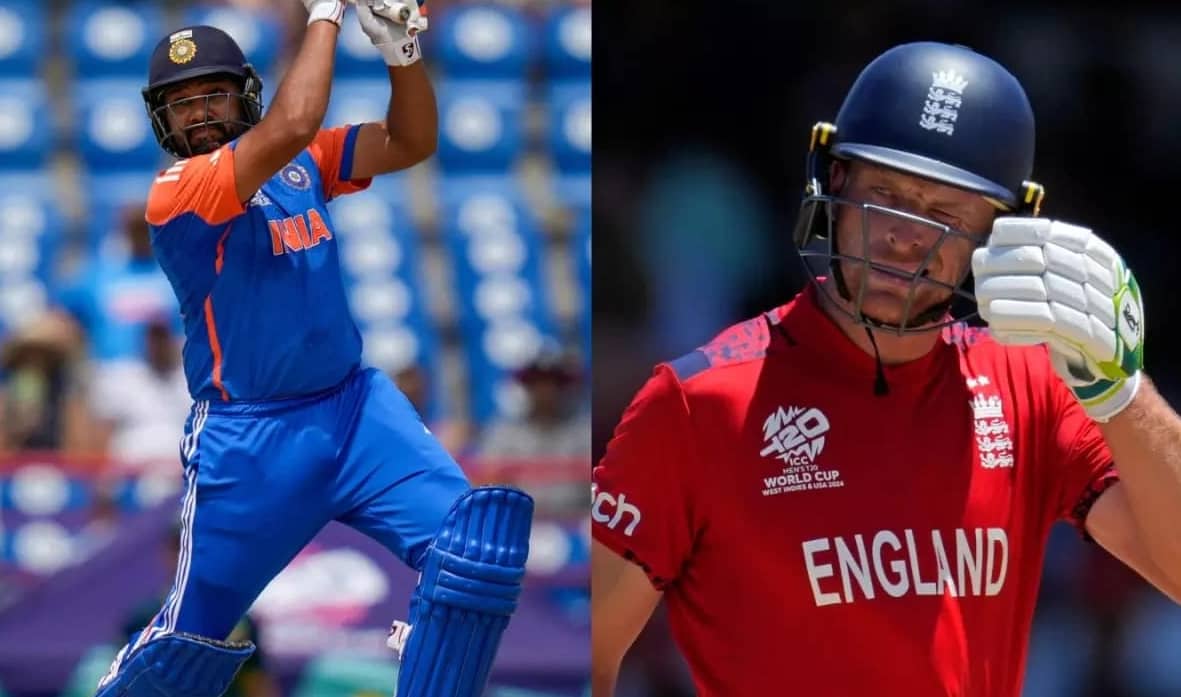
From the maiden Test match in 1932 to the present-day encounters characterized by high-intensity cricket, this timeline reflects not just the evolution of a rivalry but the development of cricket itself.
The Beginning: 1932
India’s entry into Test cricket at Lord’s Cricket Ground marked the dawn of a new era in international cricket. This historic match laid the foundation for what would become one of cricket’s most celebrated rivalries.
Key Elements:
- The first official Test match between the nations
- CK Nayudu’s inspirational leadership
- England’s Douglas Jardine captained the home team
- Mohammad Nissar’s remarkable fast bowling display
Match Overview:
| Day | Highlights | Key Contributors | Impact Level |
|---|---|---|---|
| One | England 259 | Nissar’s 5/93 | Exceptional |
| Two | India 189 | Nayudu’s 40 | Significant |
| Three | England 275/8d | Jardine’s 85 | Strategic |
| Four | India 187 | Amar Singh’s 51 | Fighting Spirit |
First Test Victory: 1952
The Madras Victory of 1952 marked India’s first Test triumph against England, a watershed moment that took two decades to achieve.
Victory Components:
- Brilliant spin bowling display
- Strategic field placements
- Superior batting against spin
- Home advantage utilization
Performance Analysis:
| Department | Star Performers | Achievement | Significance |
|---|---|---|---|
| Batting | Hazare, Roy | Solid foundation | Critical |
| Spin | Mankad | Match-winning spells | Decisive |
| Fielding | Team effort | Sharp catches | Supportive |
| Leadership | Hazare | Tactical mastery | Strategic |
A Landmark Year: 1971
The summer of 1971 witnessed India’s first series victory in England, an achievement that changed the power dynamics in international cricket.
Series Milestones:
- Historic Oval victory
- Chandrasekhar’s bowling masterclass
- Gavaskar’s batting excellence
- Wadekar’s tactical brilliance
Match-by-Match Analysis:
| Test | Venue | Result | Game-Changer |
|---|---|---|---|
| First | Lord’s | Draw | Gavaskar |
| Second | Old Trafford | Draw | Engineering |
| Third | The Oval | India Won | Chandrasekhar |
Second Series Win in England: 1986
Under Kapil Dev’s charismatic leadership, India achieved their second series victory in England, showcasing their growing stature in world cricket.
Success Factors:
- Perfect team balance
- Exceptional swing bowling
- Solid batting performances
- Superior fielding standards
Individual Brilliance:
| Player | Role | Performance | Impact |
|---|---|---|---|
| Vengsarkar | Batting | Three centuries | Match-winning |
| Kapil Dev | All-round | Complete package | Leadership |
| Chetan Sharma | Bowling | Crucial spells | Game-changing |
| Roger Binny | Support | Key wickets | Vital |
NatWest Series Final: 2002
The 2002 NatWest Trophy Final stands as one of cricket’s greatest matches, featuring an incredible chase and iconic celebration.
Chase Breakdown:
- Target: 326 runs
- Overs: 50
- Winning margin: 2 wickets
- Final over drama
Match Phases:
| Phase | Score | Required | Key Partnership |
|---|---|---|---|
| Opening | 106/0 | 220 more | Ganguly-Sehwag |
| Middle Crisis | 146/5 | 180 needed | Survival mode |
| Revival | 267/6 | 59 required | Yuvraj-Kaif |
| Climax | 326/8 | Victory | Kaif’s heroics |
The Breaking Point: 2007
The 2007 series represented a significant shift in the rivalry’s dynamics, with India securing a memorable series win.
Series Highlights:
- Zaheer Khan’s bowling masterclass
- MS Dhoni’s emergence
- Improved pace attack
- Strategic superiority
Bowling Impact:
| Bowler | Wickets | Average | Strike Rate |
|---|---|---|---|
| Zaheer | 18 | 20.33 | 48.2 |
| Kumble | 14 | 25.42 | 51.7 |
| RP Singh | 12 | 28.91 | 53.4 |
| Sreesanth | 9 | 29.77 | 55.6 |
2011-2012: Contrasting Fortunes
This period demonstrated the significant impact of home advantage in Test cricket.
2011 England Series:
- England’s dominant 4-0 victory
- India’s batting struggles
- Anderson’s swing bowling
- Home conditions mastery
2012 Revenge Series:
- India’s comprehensive 4-0 win
- Spin dominance
- Batting resilience
- Complete team performance
A Close Contest: 2018
The 2018 series was far more competitive than the 4-1 scoreline suggested.
Series Features:
- Kohli’s batting masterclass
- Anderson’s skilled bowling
- Sam Curran’s impact
- Close finishes
Key Battles:
| Contest | Winner | Impact Level |
|---|---|---|
| Kohli vs Anderson | Kohli | High |
| India’s pace vs England’s batting | Mixed | Medium |
| Spin battle | England | Significant |
| Lower order | England | Decisive |
Recent Battles: 2021
The 2021 series showcased modern cricket’s evolution amid unique circumstances.
Series Characteristics:
- Bio-bubble challenges
- Weather interventions
- Tactical innovations
- Emerging talent
Team Analysis:
| Aspect | India | England |
|---|---|---|
| Pace bowling | Outstanding | Very good |
| Spin bowling | Dominant | Moderate |
| Batting depth | Solid | Inconsistent |
| Fielding | Sharp | Standard |
Legacy and Impact
The rivalry has profoundly influenced cricket’s development and cultural connections between the nations.
Historical Impact:
- Tactical evolution
- Technical advancements
- Cricket diplomacy
- Global audience growth
Cultural Significance:
- Cross-cultural exchange
- Sporting traditions
- Infrastructure development
- Economic growth
FAQs
- Q: How has the rivalry evolved since 1932?
A: From colonial-era matches to modern professional encounters, the rivalry has transformed into a contest between equals.
- Q: What’s the most memorable match in this rivalry?
A: The 2002 NatWest Trophy final is often cited as the most memorable for its dramatic chase and iconic moments.
- Q: Which players have dominated this rivalry?
A: Legends like Sunil Gavaskar, James Anderson, Sachin Tendulkar, and Ian Botham have left indelible marks.
- Q: How has technology influenced the rivalry?
A: DRS, advanced analytics, and modern broadcasting have revolutionized how these matches are played and viewed.
- Q: What makes this rivalry unique?
A: The historical context, competitive balance, and cultural significance make it one of cricket’s most special relationships.
More Similar Guides:
- India National Cricket Team Vs Afghanistan National Cricket Team Timeline
- South Africa National Cricket Team Vs West Indies Cricket Team Timeline
Conclusion:
The India-England cricket rivalry represents more than just sporting contests; it embodies the evolution of international cricket itself.
From the historic first Test in 1932 to contemporary battles, this rivalry has consistently produced exceptional cricket while adapting to changing times.
The relationship has matured from a colonial master-pupil dynamic to one of mutual respect and competitive equality.
As cricket continues to evolve with new formats and technologies, this historic rivalry maintains its position at the forefront of international cricket.
Both teams continue to push boundaries, introduce innovations, and nurture young talent, ensuring the rivalry’s relevance for future generations.
Looking ahead, the India-England cricket rivalry promises to deliver more thrilling encounters while preserving the sport’s traditional values.
As both nations embrace modern cricket’s challenges and opportunities, their historic rivalry continues to enrich the sport’s legacy while inspiring future generations of cricketers and fans alike.
This enduring rivalry, with its rich history and bright future, stands as a testament to cricket’s unifying power and its ability to transcend cultural boundaries.
It continues to be a cornerstone of international cricket, consistently producing high-quality cricket while fostering the sport’s growth and development worldwide.